

The Allure of Uncertainty
The thrill of uncertainty is one of the core psychological drivers behind casino games. This unpredictable nature keeps players engaged and eager to participate. Humans are wired to seek excitement, and the potential to win – sometimes suddenly and astonishingly – fuels this excitement. For instance, those who enjoy the adrenaline rush often flock to the rocket game casino , where the anticipation builds as players await the outcome, whether it’s the spin of a slot or a roll of the dice. This unpredictability can manifest in a rush of adrenaline, creating an emotional high that many find irresistible. The feeling of being on the edge of a potential win can be intoxicating, drawing players back time and again.
Cognitive psychology tells us that the unknown can be more appealing than the known. Players often find themselves drawn to games with uncertain outcomes, as this can create a heightened sense of involvement. The moment between placing a bet and discovering the results is a suspenseful experience that can lead to a powerful emotional response, reinforcing the desire to play more. This cycle of anticipation and reward is a significant factor in maintaining player interest and participation. Moreover, the brain releases dopamine, a neurotransmitter associated with pleasure, during these moments of anticipation, making the experience all the more compelling.
Moreover, the concept of “near misses” plays a critical role in this uncertain world. Players often experience a nearly successful outcome, which can be misleadingly encouraging. For example, in a slot game, if the reels almost line up but ultimately do not, it may leave players feeling as though they are close to a win. This taps into a psychological phenomenon known as the “illusion of control,” wherein individuals believe they have more influence over an outcome than they actually do, prompting them to continue playing in hopes of achieving what feels like an imminent victory. Such near misses can act as a powerful motivator, leading players to perceive their losses as temporary setbacks rather than definitive failures.
Social Dynamics in Gaming
Casino environments are meticulously designed to stimulate social interactions among players, which can enhance the gaming experience significantly. The vibrant atmosphere filled with laughter, cheers, and conversations fuels a sense of community. Humans are inherently social beings, and engaging with others can elevate the enjoyment of games. This social aspect can make the experience more fulfilling compared to solitary forms of gambling, as sharing in both wins and losses fosters camaraderie. The shared excitement of hitting a jackpot or the collective groans of a near miss can create lasting memories.
The presence of other players can also influence individual betting behavior. People tend to adapt their actions based on the behavior of those around them, a phenomenon known as social proof. For instance, if a player observes others winning at a particular table or machine, they may feel encouraged to join in, believing they might also enjoy similar fortune. This social validation can encourage riskier bets, as players feed off each other’s excitement and enthusiasm. The notion of « everyone else is doing it » can trigger a strong impulse to participate, even in games that require significant financial commitment.
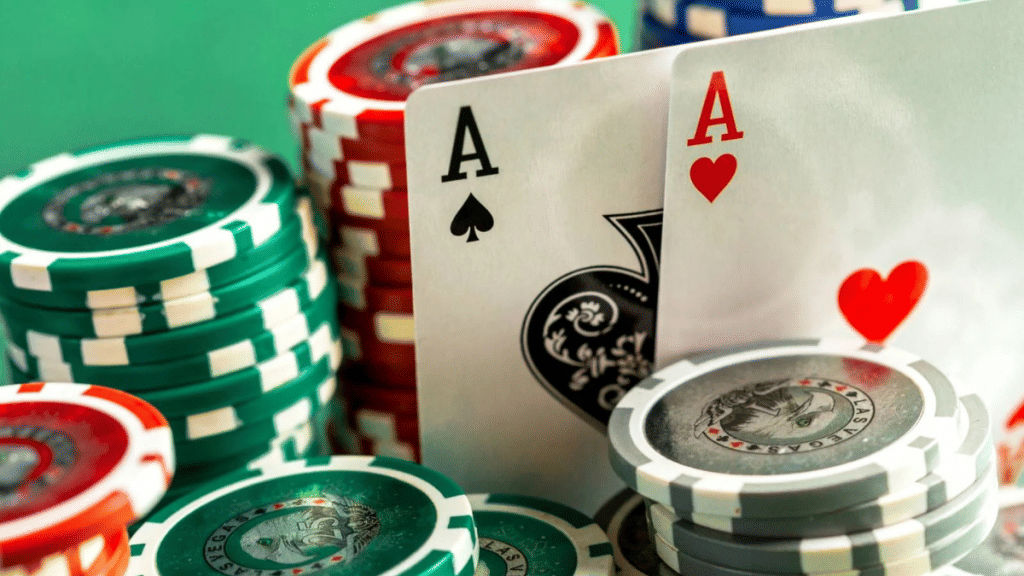
Furthermore, casinos often promote group activities or tournaments, aiming to enhance social interactions. Events like poker tournaments allow players to bond and compete against one another in a shared setting, which contributes to the overall enjoyment of gambling. This social layer can lead to a more positive emotional connection with the games, potentially resulting in repeated visits in pursuit of that engaging experience. The friendships formed in these environments can become just as important as the games themselves, creating a community that encourages ongoing participation.
Rewards and Reinforcement
The principles of behavioral psychology are deeply embedded in the design of casino games. Casinos employ various strategies to create rewards that encourage players to continue participating. Positive reinforcement comes in many forms, from small wins that keep the player engaged to larger jackpots that generate excitement. This reward system is often random, capitalizing on the psychological impacts of variable reinforcement, where the unpredictability of rewards can be more motivating than consistently winning. The excitement of possibly hitting a big win keeps players hopeful and invested in the game.
The “gamification” of casino experiences can manifest through player loyalty programs, where players earn points or rewards that entrench them deeper into the gaming culture. These programs reinforce a player’s commitment by offering incentives for continued play, creating a powerful cycle of engagement and loyalty. The anticipation of achieving a reward can drive players to spend more time and money at the casino, reinforcing their behavior toward gambling. Additionally, as players accumulate rewards, they may feel a sense of ownership or entitlement to continued wins, further binding them to the casino.
Additionally, the design of games is carefully structured to maximize the enjoyment of winning. The bright lights, celebratory sounds, and visual cues associated with wins are tailored to provide immediate feedback, creating an exhilarating atmosphere that can lead to repeated play. Players become conditioned to associate these stimuli with positive emotions, further stimulating their desire to engage in gambling activities again and again. This sensory overload can create a euphoric environment that reinforces the idea that the next spin or hand could yield a life-changing result.
The Role of Marketing and Branding
Marketing strategies in casinos are meticulously crafted to appeal to the psychology of players. Advertisements often highlight thrilling experiences, big wins, and the lavish lifestyle associated with gambling. These messages play on the desires for excitement and the potential for financial freedom, creating a powerful allure. The branding of these establishments is designed to evoke feelings of luxury and exclusivity, which can be psychologically compelling for potential customers. By framing gambling as a glamorous activity, casinos entice individuals to envision themselves within this lifestyle.

Casinos also use various sensory elements to enhance the gaming experience. From the sounds of chips clinking to the smell of fresh coffee, every aspect is designed to create an inviting atmosphere. This multisensory approach impacts how players feel in the space and can contribute to their length of stay and overall spending. The ambiance is carefully curated to maintain an environment that feels rewarding and engaging, ensuring players remain immersed in the experience. Even subtle details, like lighting and decor, are intentionally chosen to evoke feelings of comfort and excitement.
Promotions, bonuses, and themed events are also integral to casinos’ marketing strategies. These tactics harness the power of scarcity and urgency, prompting players to act quickly to take advantage of limited-time offers. Such marketing strategies exploit psychological principles like the fear of missing out (FOMO), which can lead to increased footfall and participation during promotional events. By understanding and effectively implementing psychological tools, casinos can significantly influence player behavior and enhance their overall success. The allure of exclusive events or limited bonuses can create an urgent need to participate, leading to impulsive decisions driven by emotion rather than logic.
Online Casinos and Digital Psychology
The rise of online casinos has transformed traditional gambling into a digital arena, drawing in players based on similar psychological principles. The convenience of accessing games from home can significantly increase participation, tapping into the psychological comfort of a familiar environment. Players often feel more relaxed and willing to experiment when games are just a click away, leading to extended gaming sessions compared to physical casinos. This comfort allows individuals to engage with gambling in a manner that feels less intimidating and more accessible.
Digital platforms implement various design elements to replicate the sensory experiences found in land-based casinos, from immersive graphics to captivating sound effects. These features aim to capture players’ attention and maintain their engagement. Additionally, online casinos often employ sophisticated algorithms that analyze user behavior, allowing for tailored experiences that can enhance psychological engagement and satisfaction. By personalizing the gaming experience, these platforms can create a sense of belonging and connection, making players feel valued and understood.
Furthermore, online casinos frequently utilize enticing bonuses and promotions to attract new players. The immediacy of rewards and the opportunity to win without having to travel to a physical location appeal to players who may be hesitant to engage in traditional gambling. This access can create a sense of thrill similar to being in a physical casino, leveraging psychological factors to encourage participation and loyalty within the digital space. The ability to immediately claim bonuses or rewards online can mirror the excitement of winning in a physical environment, thus bridging the gap between the two worlds.
